I have a confession–I have never been a fan of The Lion King. I loved Disney movies as a kid (still do). But even as a kid, I didn’t like The Lion King. It probably suffered somewhat by coming out the summer after Aladdin, which was my favorite, but it was more than that. I guess I was already thinking like a writer, because I remember complaining that it lacked plot.
I never watched The Lion King again after it first came out, until recently. I wanted to see if my perspective had changed with age–and with knowledge of Hamlet, which is more or less the same story and my favorite Shakespearean tragedy.
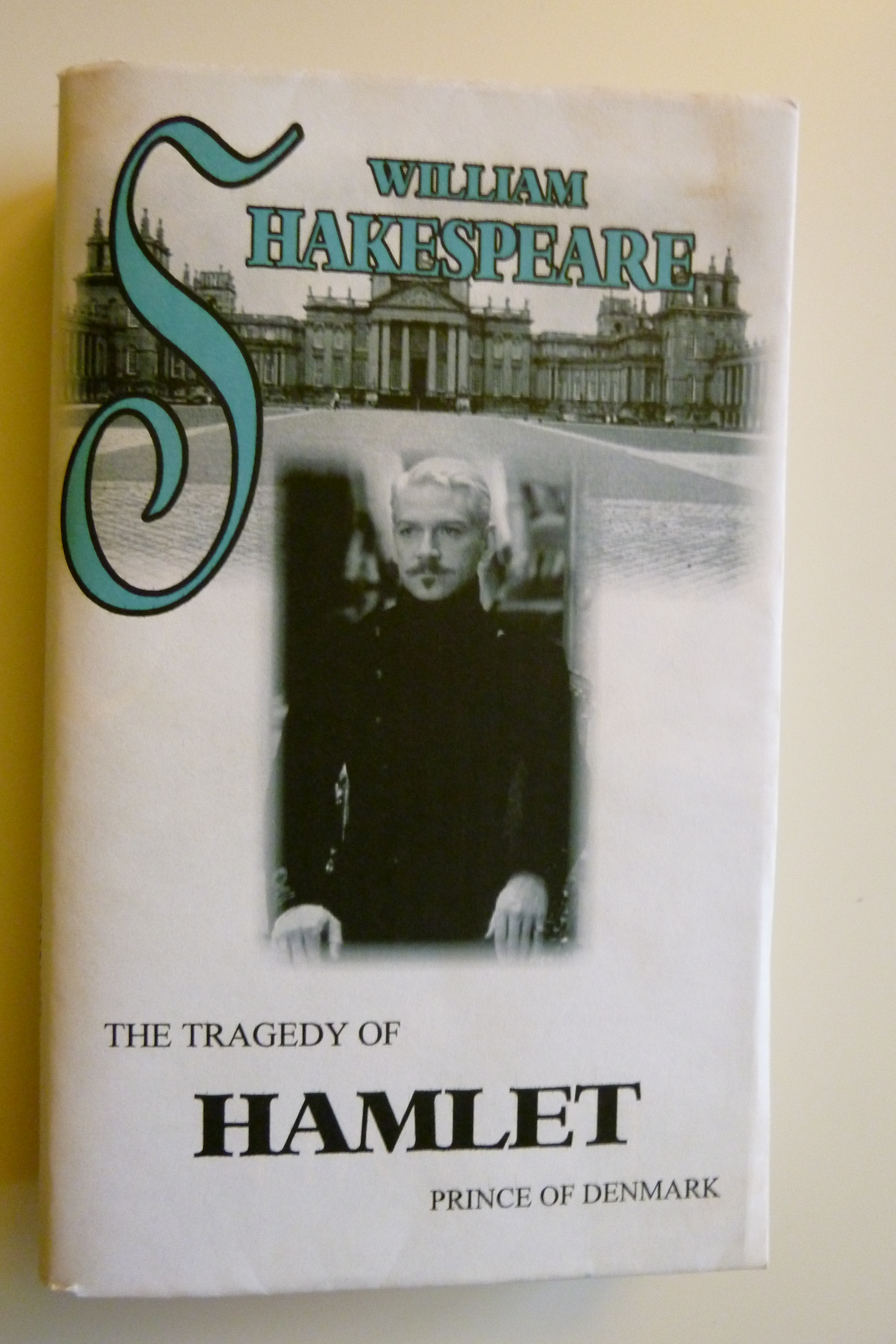
It did give me a new perspective–and I decided my younger self was right. Only, being older and familiar with Hamlet, now I can explain what my younger self meant. So naturally I thought I’d share with all of you!
Here’s the plot, such as it is: Simba is a lion cub, the son of Mufasa, the King of Beasts. Simba’s evil uncle, Scar, has Mufasa killed. Simba, feeling responsible, flees. Everyone suffers under Scar’s rule. Eventually Simba comes back to defeat Scar and fulfill his destiny (sorry if that was a spoiler for anyone).
It doesn’t sound so bad, as a plot. It is a ninety-minute animated kids’ movie, after all. Only there’s a problem. See, it IS basically Hamlet. The evil uncle kills the king and assumes his throne, the prince has to come back from being away to deal with the situation. But here’s the key point–Shakespeare began his play when Hamlet returned to Denmark, and then spent four hours on the conflict with the uncle.
In The Lion King, it’s an hour and fifteen minutes before Simba gets back to Denmark, so to speak. Which means that the main event covers only the last fifteen minutes of the movie. And I really could feel that, when I watched it again–I was waiting for him to get to the confrontation with Scar. And everything else felt like it was just back-story, just setting things up. When almost your entire movie is setting things up…well, I think that’s how I ended up feeling that it didn’t have enough plot.
Maybe it’s a question of what I’m looking for. Maybe if I could manage to view the story as being about Simba’s growth, rather than about the fight with Scar, I’d like it better. But…I obviously haven’t managed to see it that way as a kid, or as an adult.
It was fun to see how it paralleled Hamlet, especially in the characters. Simba as Hamlet, Scar as Claudius, Mufasa as the King, those are all pretty obvious. Zazu is Polonius. Nala is a mixture of Ophelia and Horatio. Rosencrantz and Guildenstern are kind of split between Timon and Pumbaa, and the hyenas–the first are Simba’s friends, the second work for Scar (not combining those aspects makes things less compelling, by the way). So I did enjoy the Hamlet parallels. But I still don’t like the plot.
Great music, though!
 Tales of the Marvelous
Good explanation of why this movie didn’t work for you. Maybe you’re right and you really have to view it more as a story of Simba’s growth – but then why have all the parallels to Hamlet if you’re just going to do that? Guess you’re better off listening to Elton John’s score on the soundtrack album rather than watching the movie. 🙂
I saw the film as having a “growing-up-discovering-yourself” theme. At the start, Simba didn’t know his uncle was evil. He had no idea that Scar killed Mufasa. He was just a kid, and when Scar told him to run away, he did. Simba at first thinks being king would be a lark. I don’t think it was ever about the confrontation with Scar as much as it was his conflicts with himself. He does very irresponsible things which end up getting his father killed. He recognizes this, and instead of owning up or growing up, he runs away.
When he ran away, he ran from his home, his family, and most of all, responsibility. He lives a responsibility-free lifestyle: the one he always thought he’d have when he became king. When Nala shows up and tells him what’s happened, he is still inclined to live in denial, still fighting with himself and his true destiny. How can he ever be king when his own actions had led to the previous king’s death? How could he be mature enough to rule a kingdom, when his own immaturity had gotten his father killed? Far better to stay where he is, where his actions and decisions have no impact on anyone.
When he’s confronted by the ghost of Mufasa, he gains forgiveness in a way and is able to see that he is not where he belongs. His friends and people are being persecuted, and it’s his fault for being absent. He can’t keep running away from the problems he’s created, but must face them head on and deal with them. And this is the first step to growing up. Becoming an adult and all that. It’s that turning point in your life when you realize your childhood is over.
While there are certainly elements from Hamlet in The Lion King, I don’t think they’re the same story. Like you said, Hamlet begins when Hamlet returns to Denmark, and he knows from the start that Claudius killed his father. It’s much more about Hamlet uncovering the truth and exacting revenge, and if The Lion King had taken that route, I don’t think it would have become as popular and ubiquitous as it is today. The confrontation with Scar at the end is much more a metaphor than anything else. Scar is sort of a manifestation of everything Simba’s done wrong and all of his bad decisions. Simba knows what his future holds and is accepting the responsibility that comes with it, no longer willing to run away.
I always love your analysis! And what you’re describing sounds much better and more interesting than the movie I remember watching… I totally agree with you on the themes of the movie. Thematically, it’s definitely about Simba growing up, and that’s potentially a quite powerful story–and a different theme than Hamlet, true.
Plot-wise I still feel that it’s mainly leading up to the Scar confrontation. When you look at it from a perspective of what actually happens in the story, not what characters are feeling/thinking, but what they’re actually doing, I still feel it lacked plot. You’ve convinced me it has a strong thematic arc…but the plot, I’m still kinda bothered by.