The Discworld series by Terry Pratchett really is a world unto itself. It’s a sprawling, chaotic hilarious tumult of a series, with forty-odd more and less connected books. The biggest problem is where to begin, and that did put me off for a while…until a friend finally handed me one and told me to start. I’ve read 18 since then (I think–I swear I counted my list five times and it kept coming out different, which is actually very appropriate for Discworld). I found out it doesn’t really matter where you start, so if you enjoy humorous fantasy with a satirical bent, I highly recommend jumping in wherever you like.
But some places are perhaps better to start than others, and some books are more hysterically hilarious than others…so I thought I’d share a few favorites, to give you some ideas. Don’t start with the first book in the series, The Colour of Magic; it’s fine, but there seems to be universal agreement that it’s not one of the best.
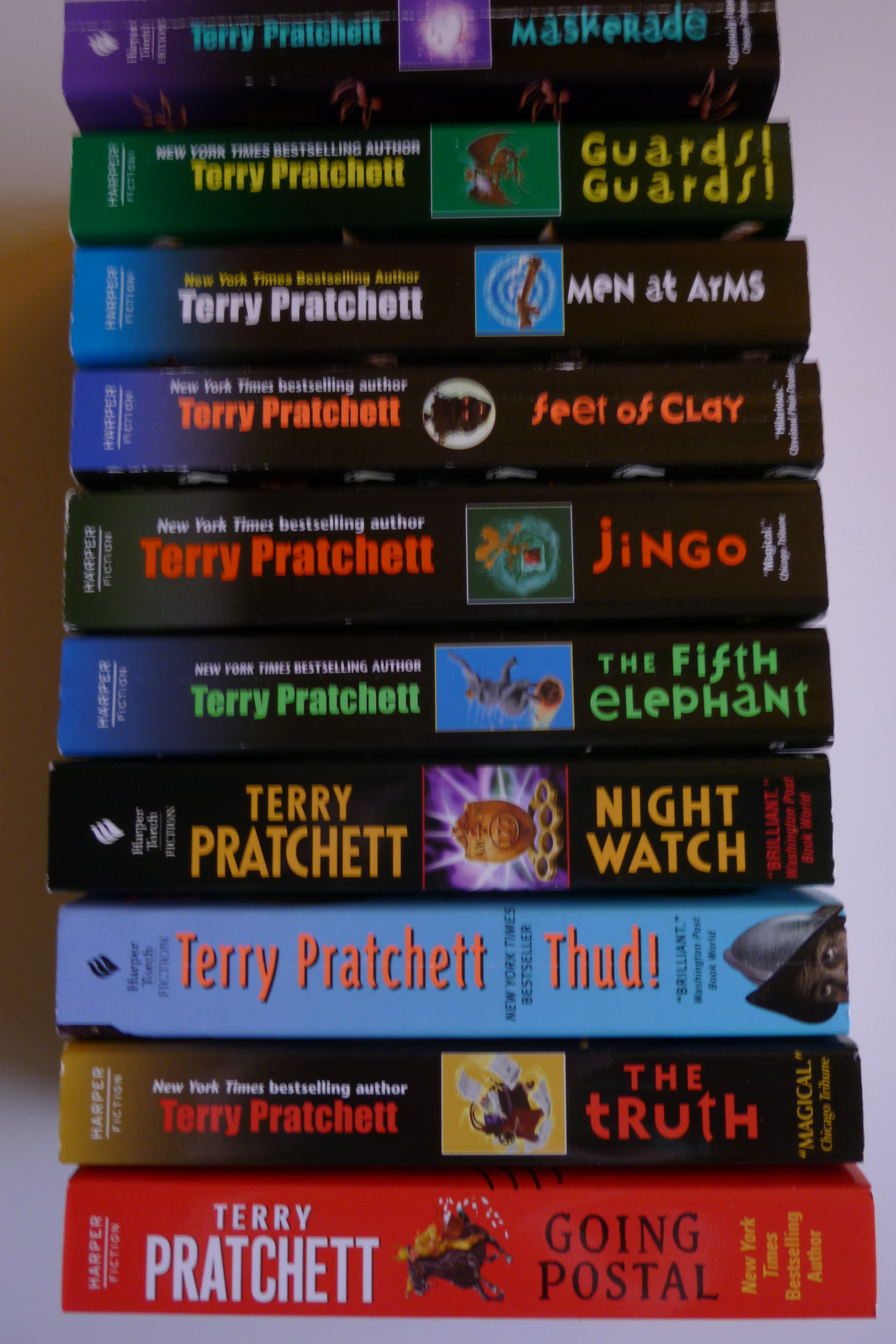
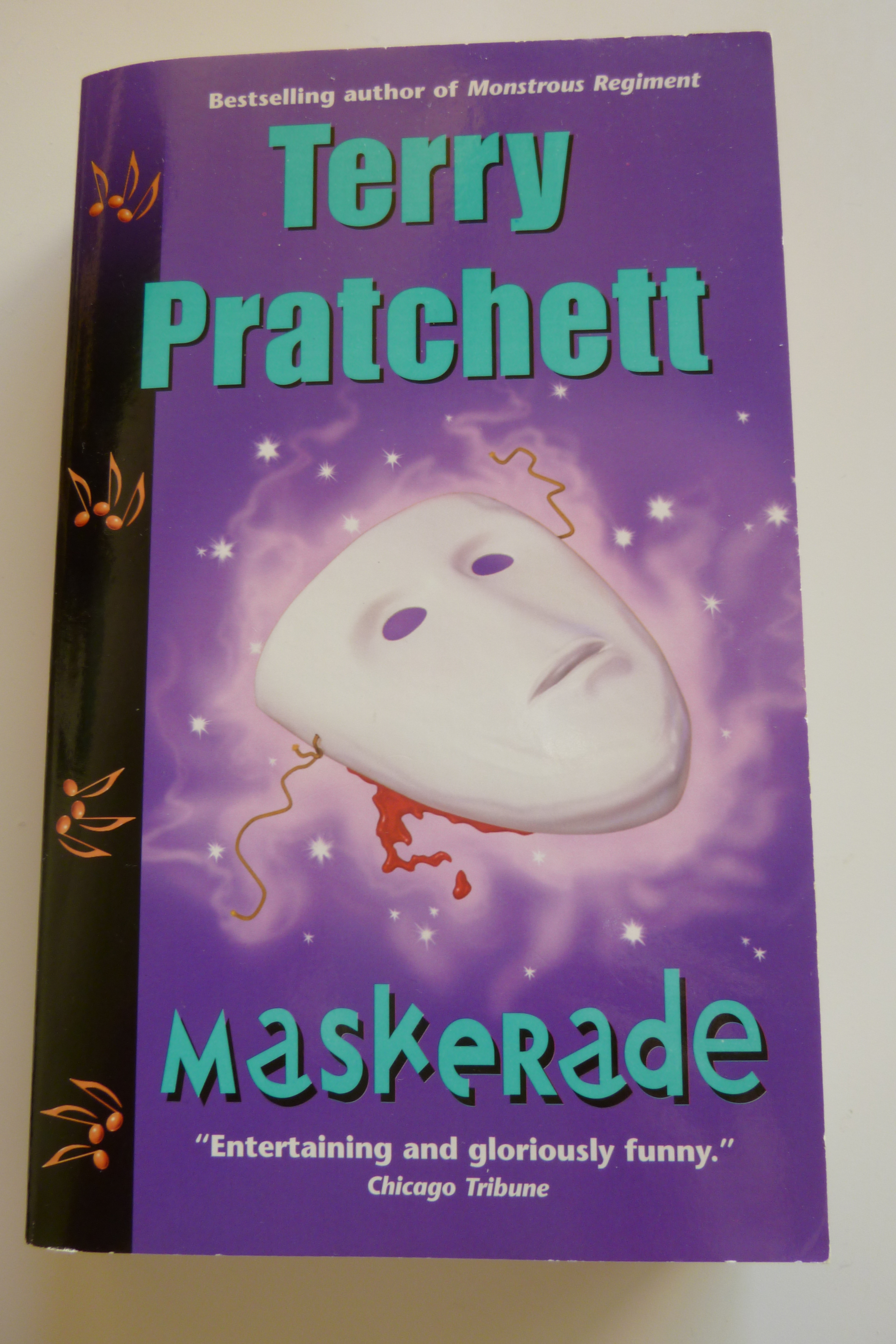
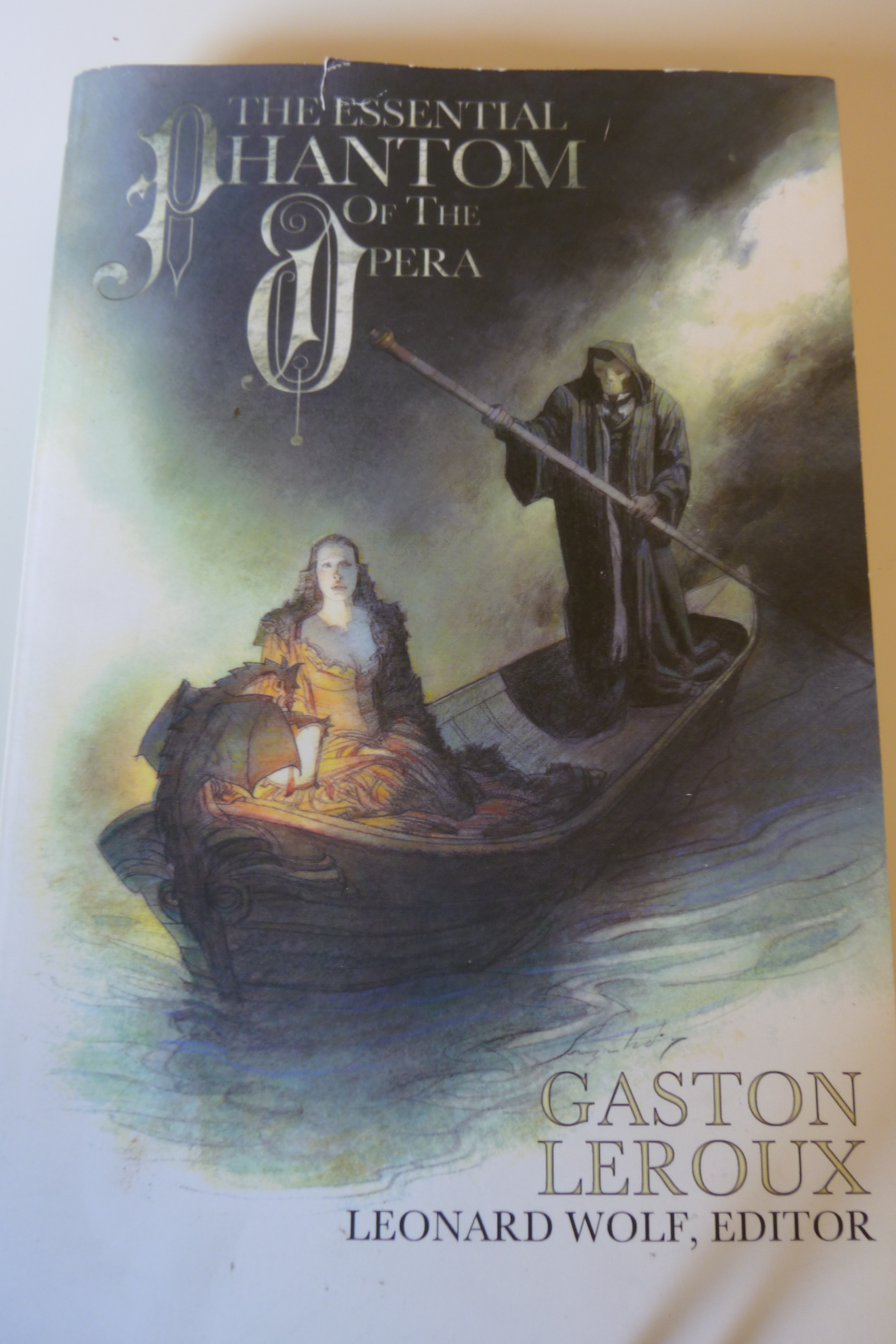
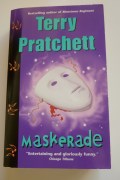 Maskerade is the first Discworld book I ever read, sort of. I did read it first, but I came at it solely as a Phantom of the Opera retelling, had no context to put it in, and haven’t reread it (or enough of the books about the same characters) since reading others to really get it into my head as part of the larger whole. But technically it was the first, and still a favorite. There’s a masked madman who’s terrorizing the Ankh-Morpork Opera House with, among other things, little notes where he writes down maniacal laughter (as in “Ahahahahaha!!!!! Yrs, The Opera Ghost”). This book also has one of my all-time favorite lines. Death, a recurring character, appears to a recently deceased man, and tells him he’s going to be a rat in his next life. The character says, “But I don’t believe in reincarnation!” To which Death replies… “But reincarnation believes in you.” Actually, he says it in all capital letters, because he’s Death.
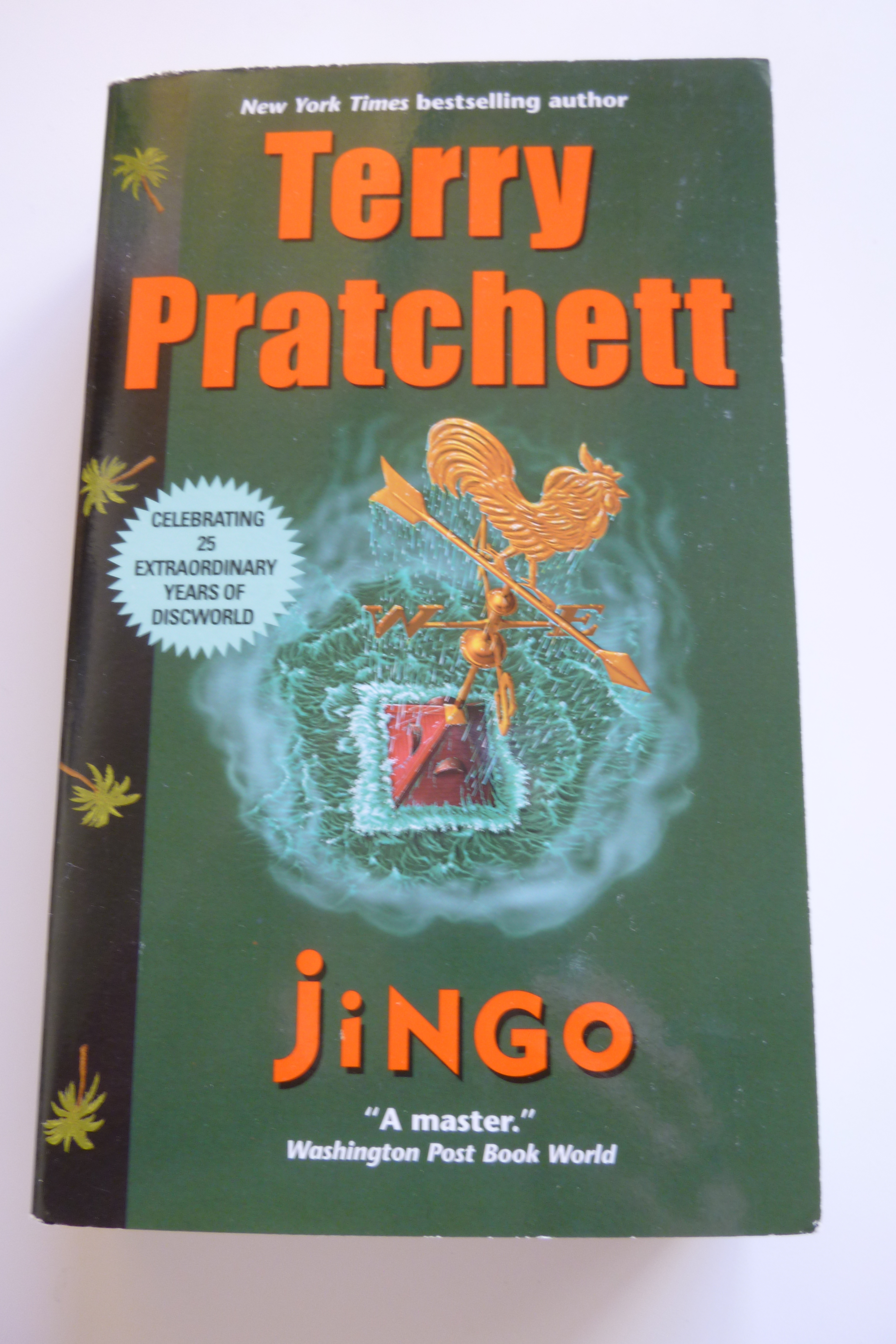
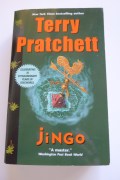 I began my proper reading of Discworld with The City Guard books. There are eight books focused on Guard Captain Sam Vimes and his crew of more and less competent watchmen. Guards! Guards! is the first, if you want to start there. One of my favorites is Jingo, which satirizes the political jockeying around wars. Vimes eventually prevents war by arresting both opposing armies for disturbing the peace. Also, Nobby Nobbs gets in touch with his feminine side–which, trust me, says it all if you know the character, and is impossible to explain if you don’t.
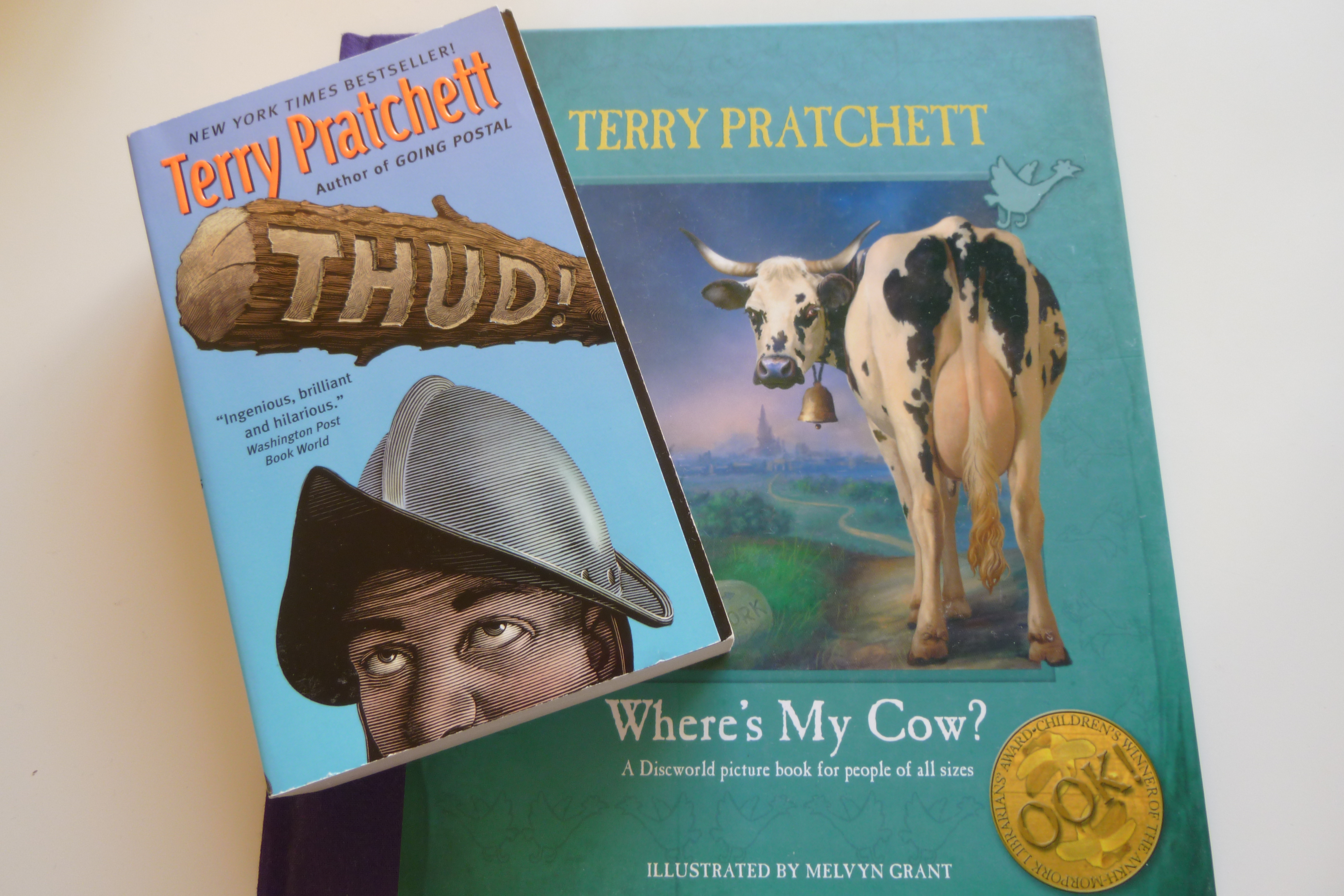
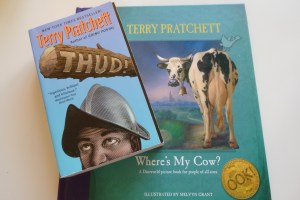 My other favorite City Guard book is Thud! This one is about racial tension–and it’s hysterically funny. No, really. In this case, the two races are trolls and dwarfs, and Vimes has to prevent their ancient feud from exploding all over his city. My favorite parts, though, are kind of sidenotes. There’s a famous artist whose papers are almost impossible to decipher, because some of them were quite odd…even odder than “you are not a chicken.” Also, there’s Vimes’ adorable practice of reading Where’s My Cow? to his son every night promptly at six o’clock, and he never misses. Even if his men have to declare a state of city-wide emergency to get him home on time. There’s a companion picture book of Where’s My Cow? which is simply adorably good fun.
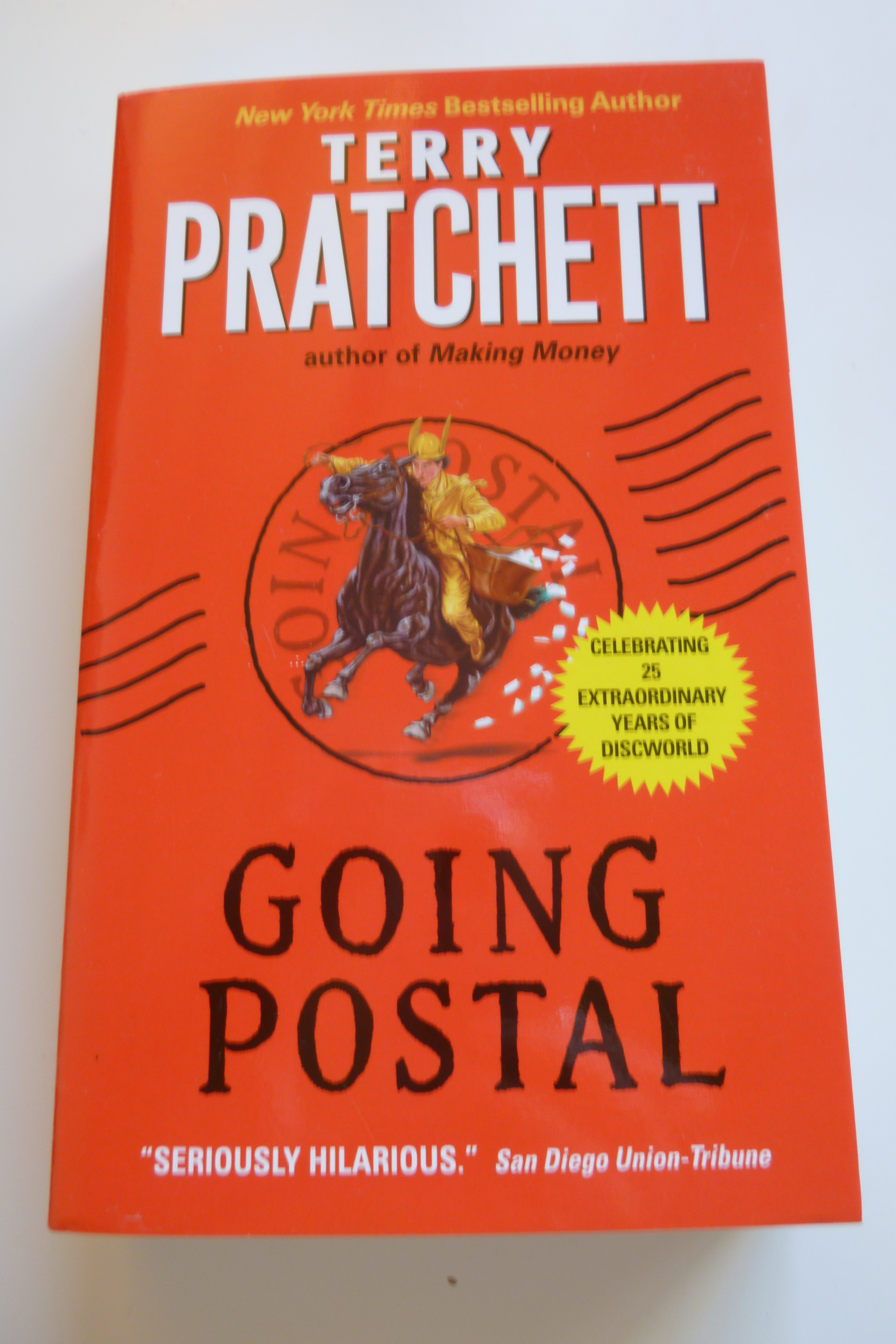
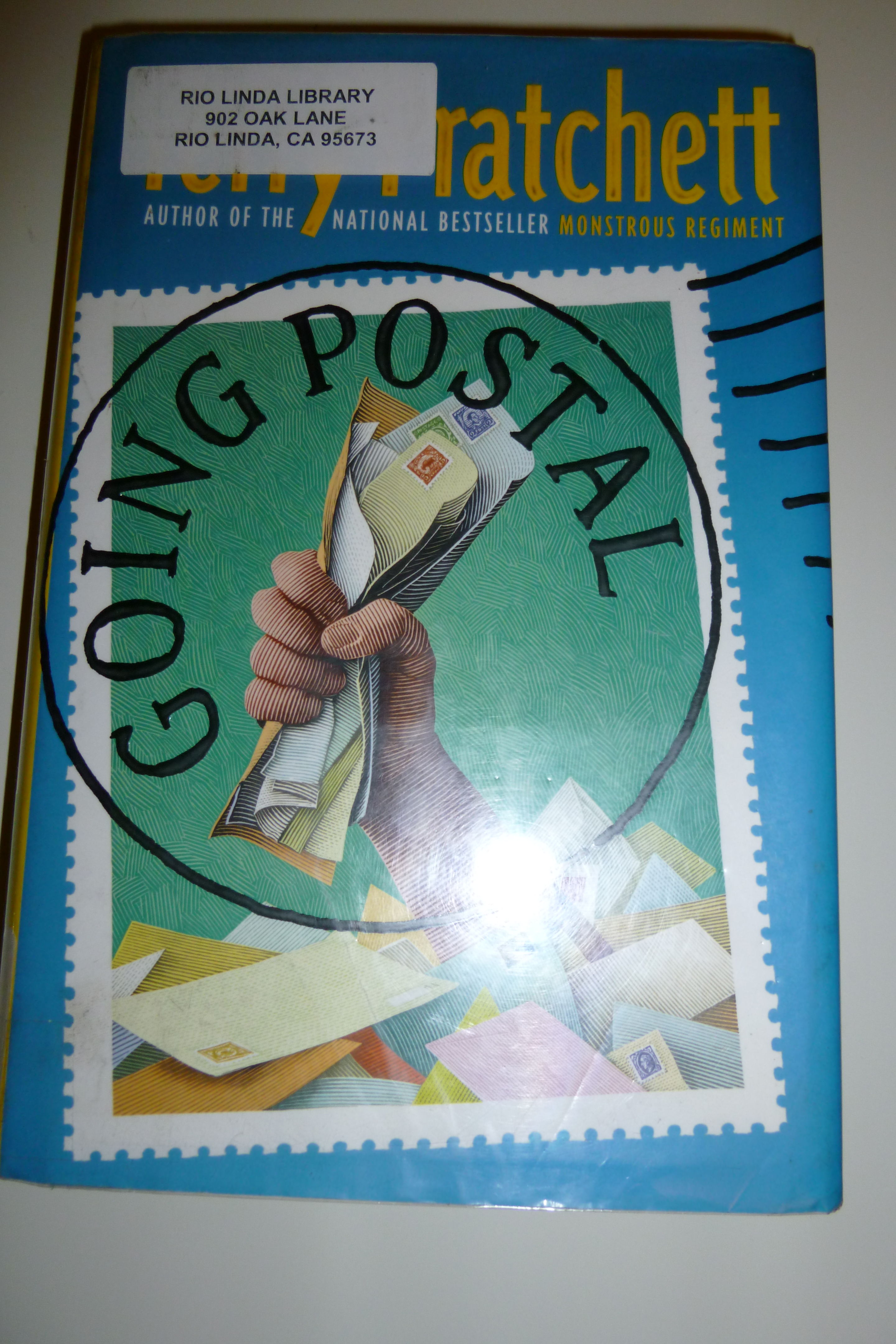
 Going Postal is actually my usual recommendation to people of where to start. I wrote a review earlier, so suffice to say here that it’s about a petty criminal who survives the gallows and is given a chance to become Ankh-Morpork’s new Postmaster. The Post Office hasn’t functioned in twenty years and is literally filled with undelivered mail. And I do mean literally.
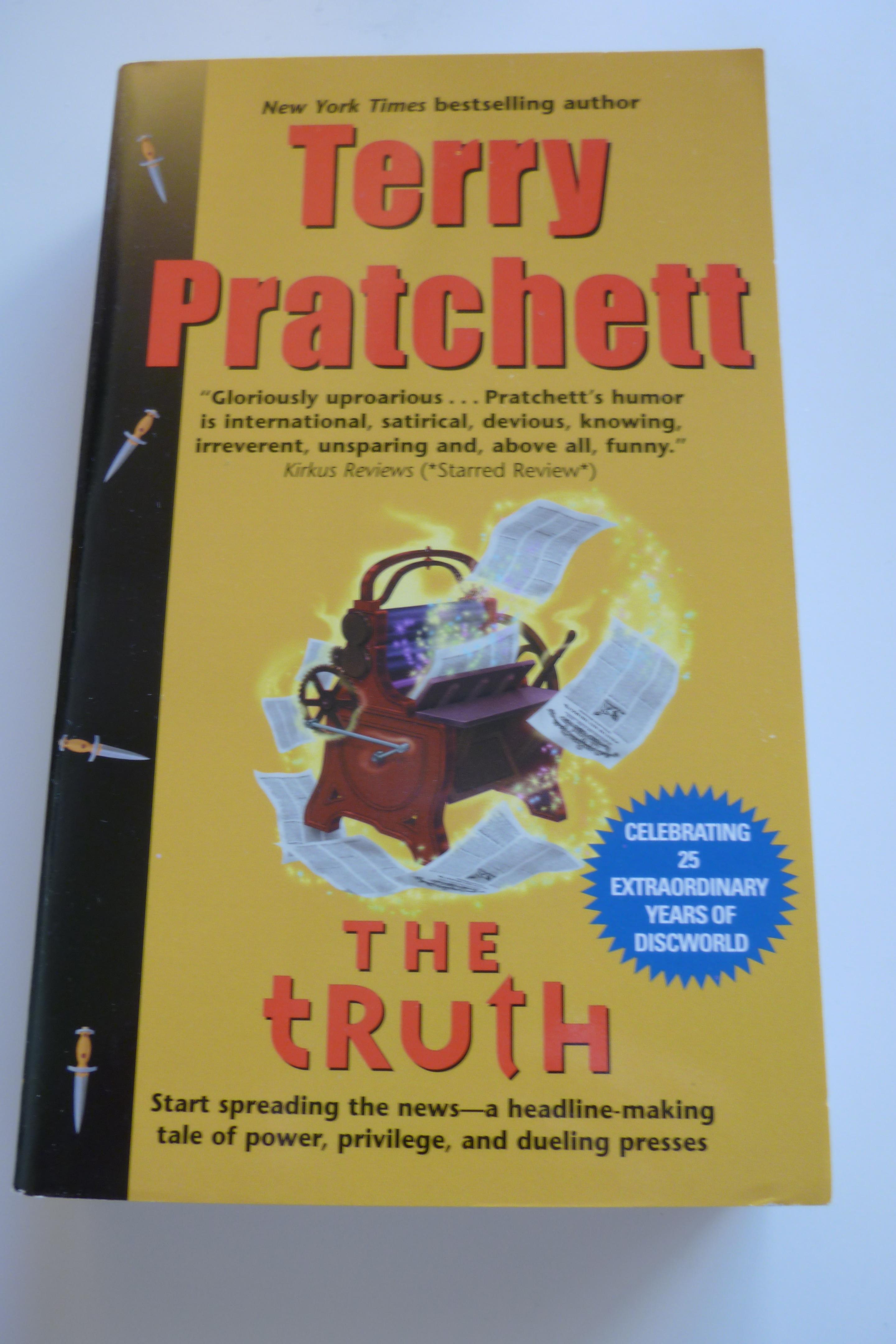
 The Truth is another good starting place, another fairly independent one. This one satirizes journalism, and features a vampire photographer. The light from the flash turns him into dust every time he takes a picture. But it’s okay, he has it rigged so he turns back again.
If this post is a little disjointed and incomprehensible, that’s just the nature of the series. Not really disjointed and incomprehensible, but random and complex and marvelous. You know you want to understand all my half-comprehensible jokes and carefully veiled references…so you ought to read the series!
 In my recent posts about Terry Pratchett’s Discworld series (here and here), I noticed a smattering of comments along the lines of “I’d really like to read more/start reading Discworld.” Now, I’m always up for reading more Discworld myself, so I thought…what if we made it a group effort? I’ve also been thinking for a while that there’s going to be a hole in my book-life when the Once Upon a Time challenge ends June 20th, and this could be the perfect solution!
 .
. Tales of the Marvelous