Two weeks ago I talked about dramatic, intense, soul-stirring musicals. Today, let’s talk about the ones that are, well, just fun. Because sometimes all you really want is a light-hearted story with good songs.
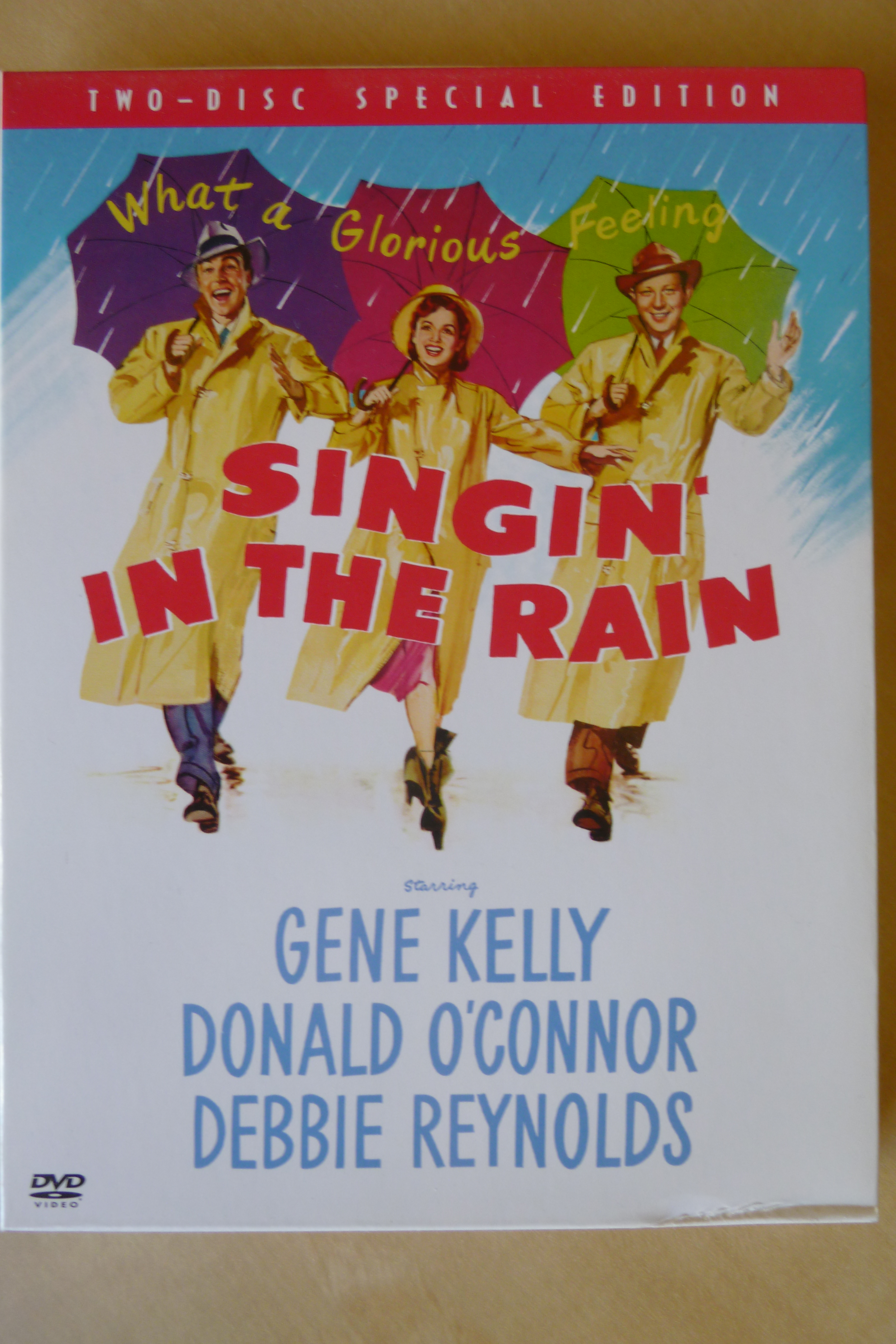 I went through a Singin’ in the Rain phase when I was six or seven. I don’t remember anymore what I liked about it when I was a kid, just that I made my parents watch it again and again. I can still quote off large swathes of it. (Favorite line: “I’m a shimmering, glowing star in the cinema firmament.” But you have to say it in a Lena-voice.) It’s so fun, and Gene Kelly is so charming and Donald O’Connor is so funny (he might have been what I liked so much as a kid) and the songs are excellent. And when Gene Kelly goes dancing through the rain…that’s a great moment. And I can’t say that the light-hearted musicals don’t have deep emotions sometimes, because he does, right there–it’s just happy emotions.
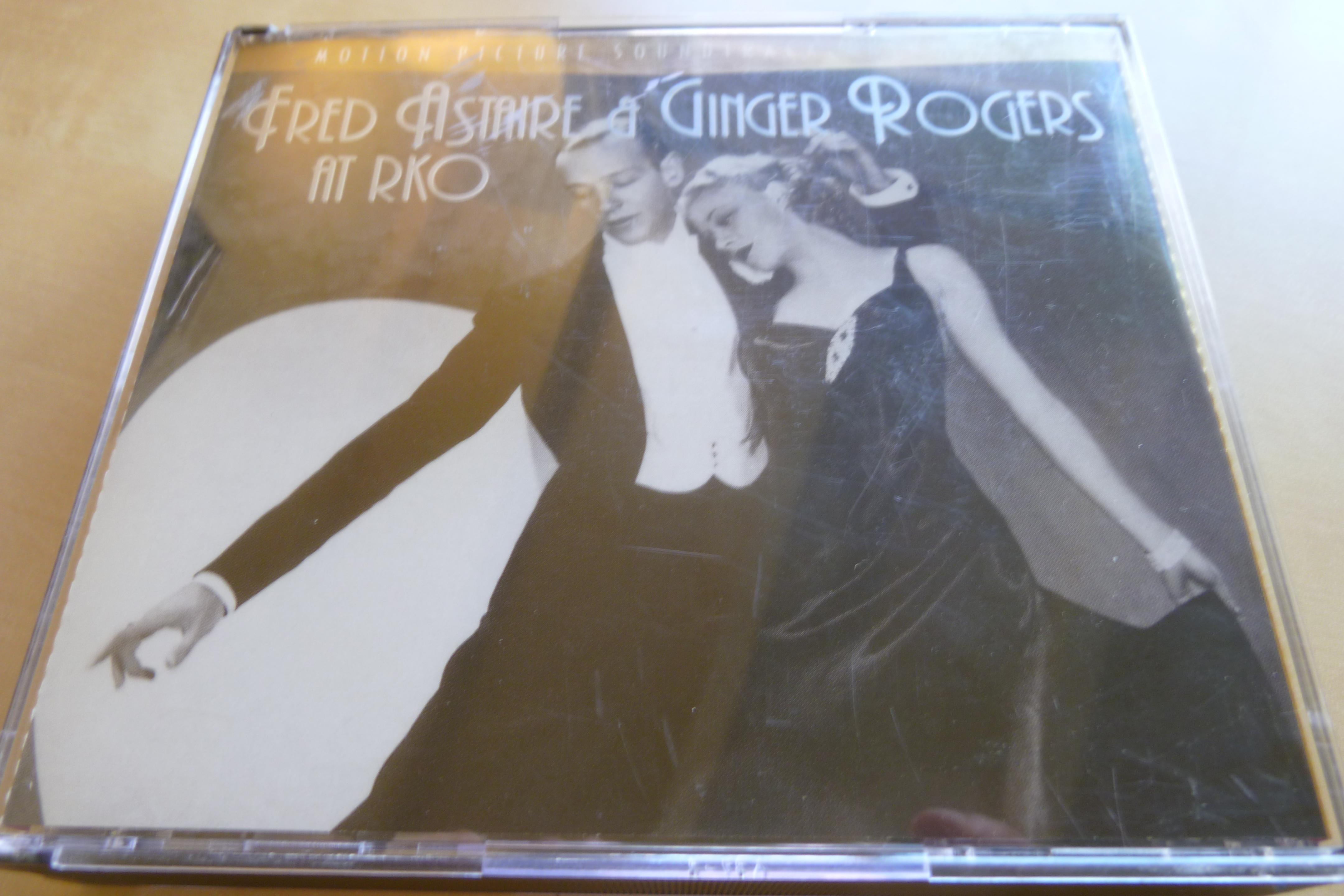 I feel like I have to include Fred Astaire and Ginger Rogers en masse. It isn’t any one musical with them (though Top Hat is my favorite) and it’s more about the dancing than the singing, but nevertheless, en masse they’re simply wonderful. Absurd, predictable, and escapism at its absolute best. I had a Fred and Ginger phase as a kid too, and then when I got my wisdom teeth out, I rewatched all of their movies. They’re like vanilla ice cream or a bubble bath or whatever you use when life gets tough and you need something to tide you over a bit.
 Hello, Dolly is fantastically fun. I mostly know it through the movie, and even though I know Streisand is too young for the part, I love the flair she brings to it. I think Dolly could do much better than Horace, but I’ll overlook that. They pretty much have me at “Put on Your Sunday Clothes,” and did long before WALL-E incorporated the song so brilliantly. I would be remiss not to mention the presence of a very young Michael Crawford, utterly unrecognizable as the man who will eventually play the Phantom. But he’s delightful here too, in a totally different role (though there is a bit where something blows up in a basement, and Cornelius Hackl’s big problem is his inability to get a girl…just commenting). I would love to see a remake, with Streisand reprising the Dolly role (and now the right age) and Crawford as Horace. I think it would be amazing.
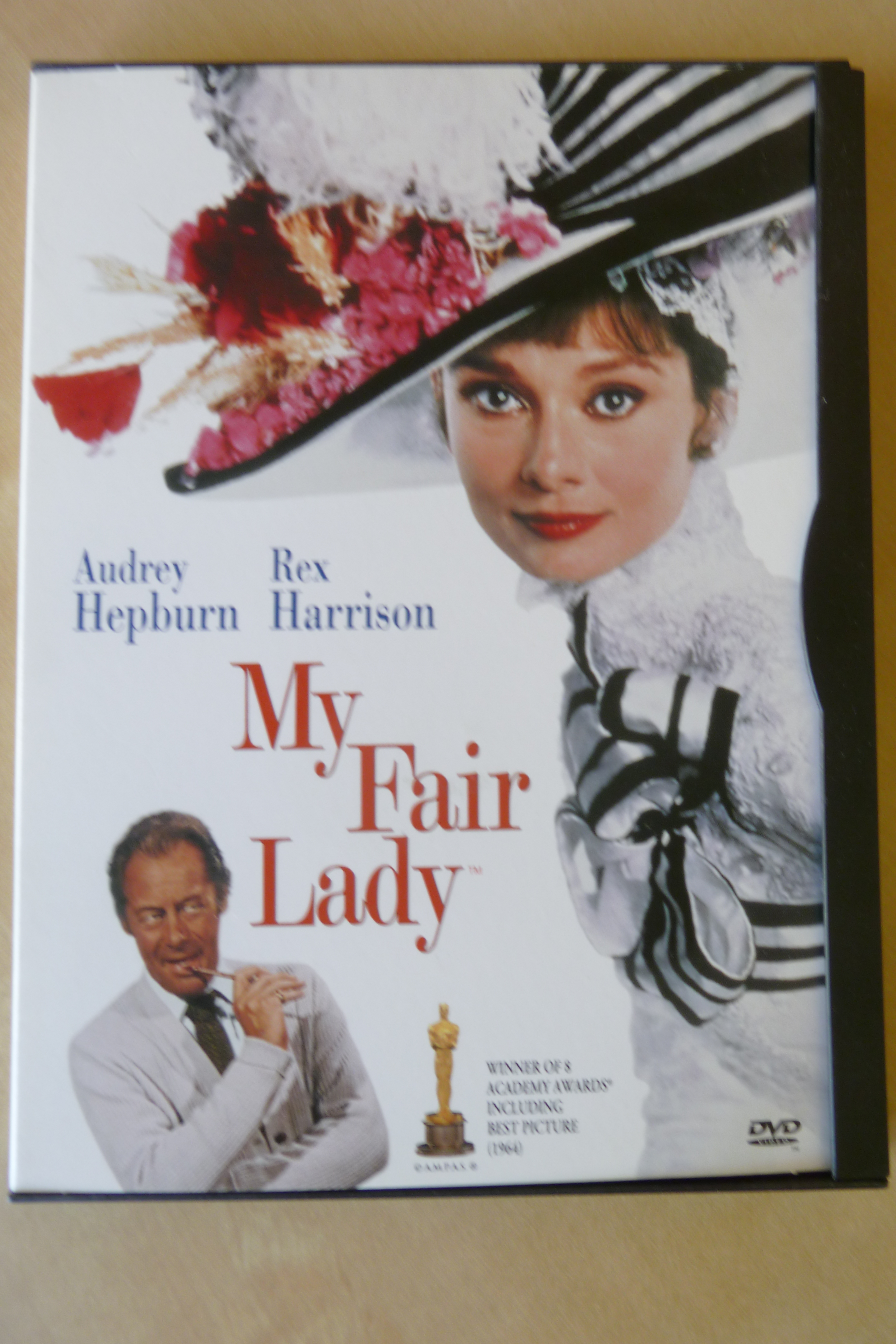 My Fair Lady is another one with an absurd romance (what does she see in him?) but the music…so many good songs. Even if I don’t see Professor Higgins as a romantic lead, he gets wonderful songs with clever lyrics. And for a light musical, there are actually quite a few loud and angry songs. Eliza and Higgins both get some near the end. Marry Freddy–HAH!
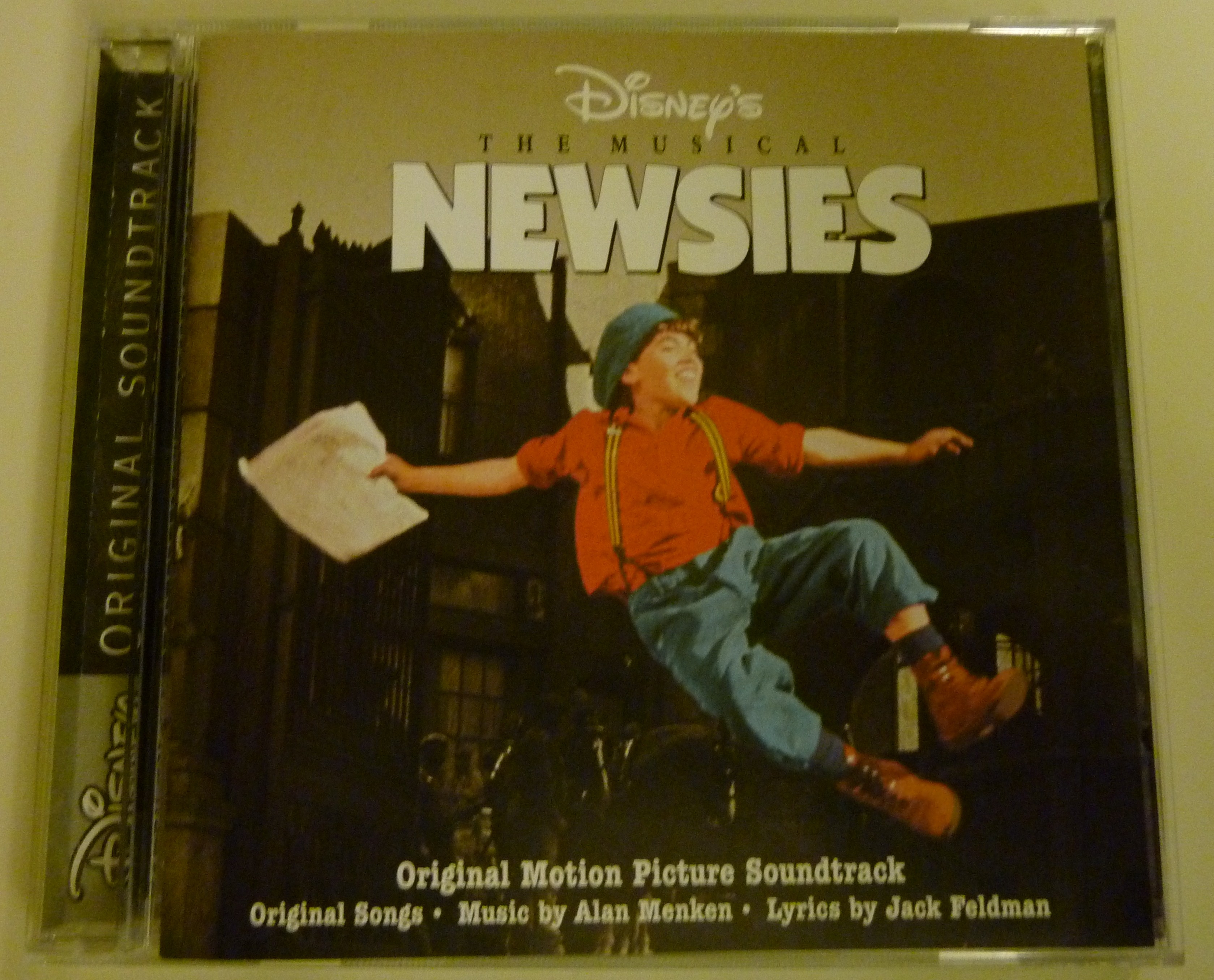 Newsies is the one that’s giving me trouble in my division this time. It’s also the reason I couldn’t just divide my categories by time. But it’s tricky emotionally, since it is about dramatic emotions–the underdog fighting the world, the desperate dream for a better life, the working classes standing up, the fight against child labor…but at the same time, it’s so enthusiastic and cheeky and fun that I can’t really put it in the same category as Les Mis or Phantom. So it’s over here in this list, with all due respect for Cowboy Jack’s yearnings for Santa Fe and the working boys’ fight against the oppressive powers. I love this one because I just love rally-the-troops songs, and this one has lots. And I love all that enthusiasm and cheekiness.
That’s funny, after I made the list I realized all of my favorite light-hearted musicals are movies, while the dramatic ones I think of first as plays. But maybe that makes sense. The dramatic ones are an event. The light-hearted ones are a pleasant place to visit again and again, as you can with a movie.
This is a wildly incomplete list, by the way, but I’m trying to keep the length reasonable. If I was going to make it complete, I’d have to add Fiddler on the Roof, Oklahoma, Guys and Dolls, Mary Poppins, White Christmas, Brigadoon, Camelot, 1776, The Producers, most of Disney (if you’re going to be broad about your definitions of a musical) and…well, that’s a starter, anyway!

 . This was the first proper Discworld book I ever read. Technically I read Maskerade first, but I read it as a Phantom parody, paid no attention to the larger context, and despite madly loving it, I was somehow not inspired to go on to the rest of the series (can’t quite explain that).
 by Juliet Marillier is a wonderful fairy tale retold–two fairy tales, in fact, artfully combining “The Twelve Dancing Princesses” and “The Frog Prince.”
 Tales of the Marvelous