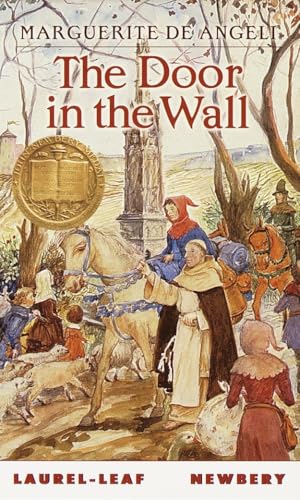
 I picked out The Door in the Wall by Marguerite de Angeli from the list of Newbery Medal winners because I wasn’t sure if I had read it before or not. It turns out the answer is no, as all I could remember of the book I thought it might be was that it involved canal boats—which don’t appear here at all. But now I have another one to check off my list!
The door of the title is much more symbolic than literal—when life presents a wall, keep looking until you find a door. Ten-year-old Robin is facing a wall with a vengeance. The son of a knight during the reign of Richard II, Robin was always meant to follow his father’s footsteps—until he’s struck by an illness that leaves him unable to use his legs. His father is on campaign, his mother is away with the queen and so Robin is taken in by the nearby religious order. He’s cared for by Brother Luke who also offers philosophy about doors and walls. Robin eventually goes to a new guardian, a friend of his father’s, but still must find his proper role in his changed life.
This is a rather charming picture of medieval England…which is both the strength and the weakness of the book. Because it’s pleasant to read, and I like charming books. But I strongly suspect that the Middle Ages were not actually a charming time period, especially if you had the misfortune to be crippled! Continue reading “Book Review: The Door in the Wall”

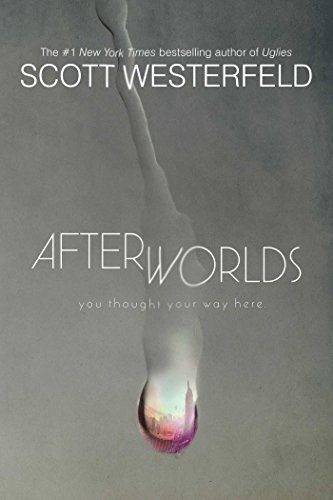 I want to start this review by saying how much I respect Scott Westerfeld as an author, due to his Uglies quartet. That respect is why I kept reading his Afterworlds. I still respect him…but Afterworlds was very disappointing.
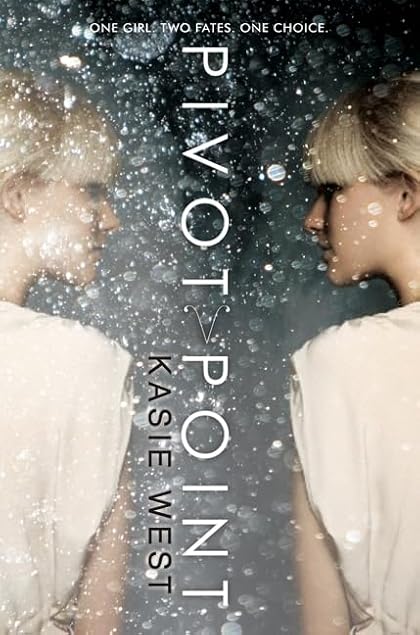 One of my reading goals for the year is to read more books involving parallel universes. I don’t mean books set entirely in an alternate Earth, but ones that actually deal in some way with multiple universes, or multiple paths someone’s life could take. I kicked off with one that explored exactly that second option: Pivot Point by Kasie West.
